How Tuning Shops Choose a Custom Steering Wheel OEM/ODM Supplier
For tuning shops, distributors and brands: how to evaluate custom steering wheel suppliers across samples, materials, fitment, QC, MOQ, delivery and after-sales.
On this page
- 1. First define the kind of cooperation you need
- 2. Use samples to assess material and workmanship consistency
- 3. Verify safety-related parts separately
- 4. Split MOQ, pricing and lead time into separate discussions
- 5. Build a confirmation checklist for long-term cooperation
- 6. How to send an efficient first inquiry
- 7. How can TUTULE join the discussion?
- FAQ
For tuning shops, accessory wholesalers and own-brand sellers, finding a supplier who “can build the steering wheel in that nice photo” is not difficult. The hard part is building a cooperation process that is verifiable, communicable and able to repeat delivery as agreed. Before purchasing, look beyond finished-product images and examine product specifications, vehicle-fitment boundaries, sample approval, order management and after-sales responsibility.
1. First define the kind of cooperation you need
Common needs include single-unit retail customization, small-batch multi-style orders, regular replenishment, and OEM/ODM projects with own-brand packaging. These order types can differ in sampling, minimum order quantity, material stock and approval steps. Before requesting a quote, prepare the target market, product category, estimated volume, planned lead time and the functional requirements that must be met.
2. Use samples to assess material and workmanship consistency
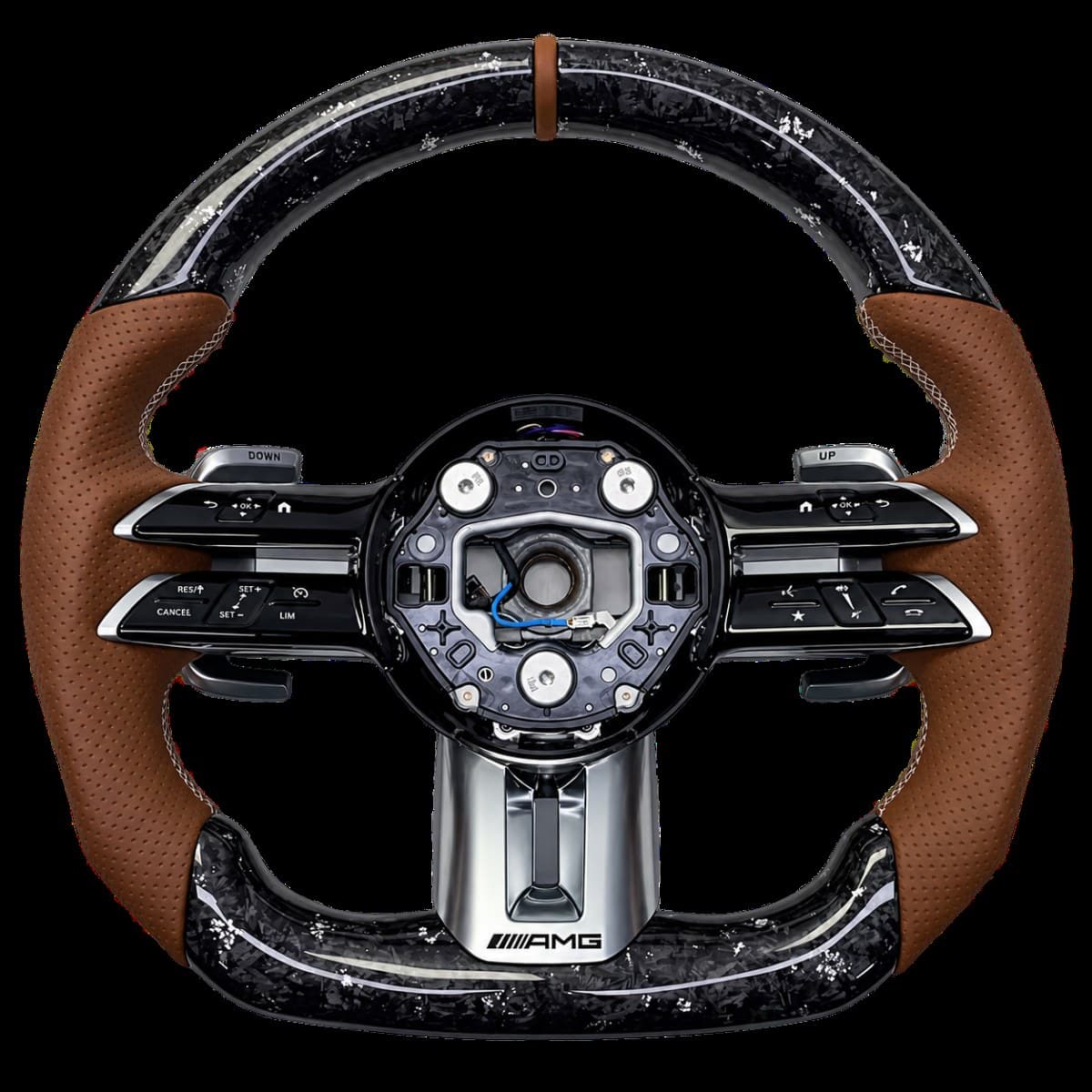
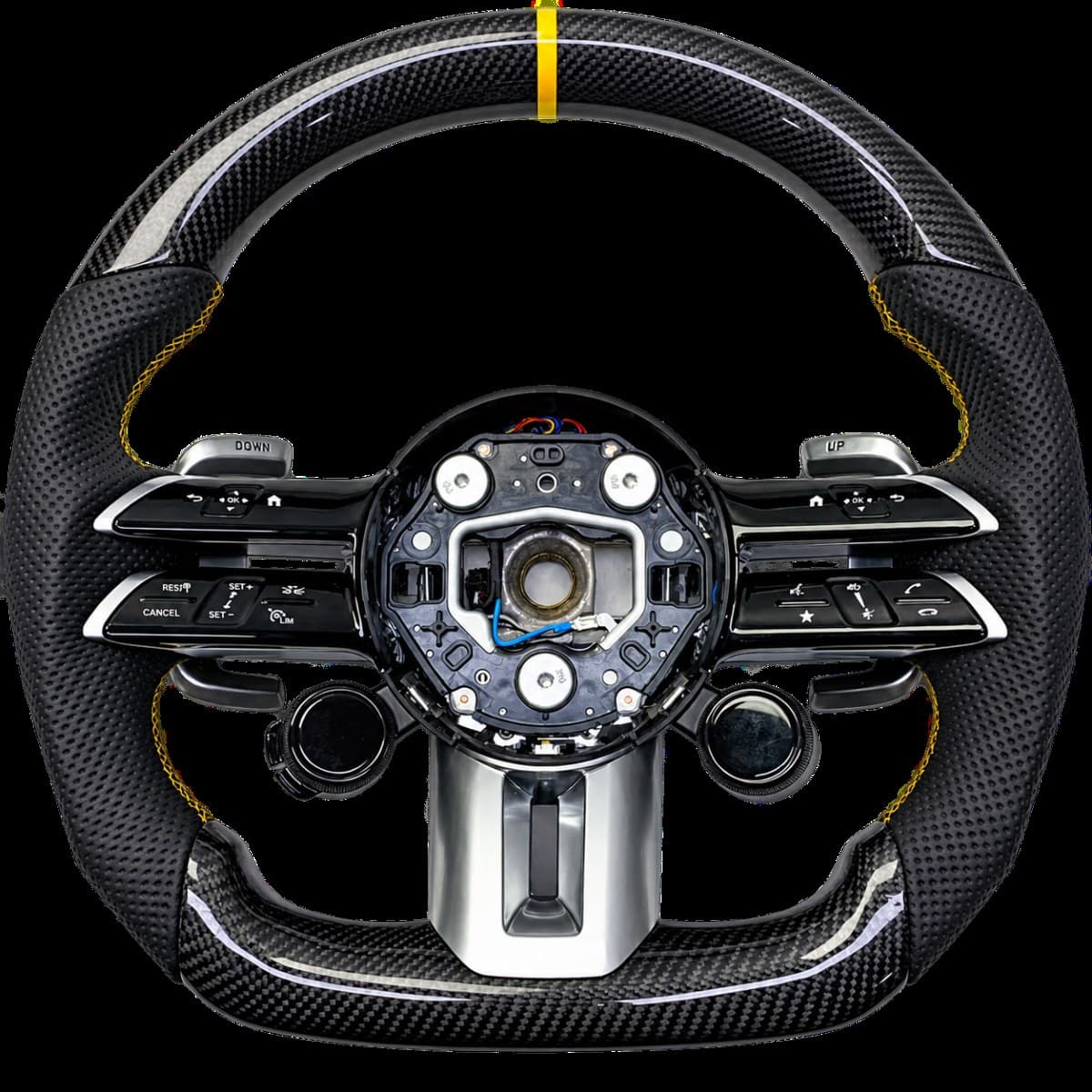
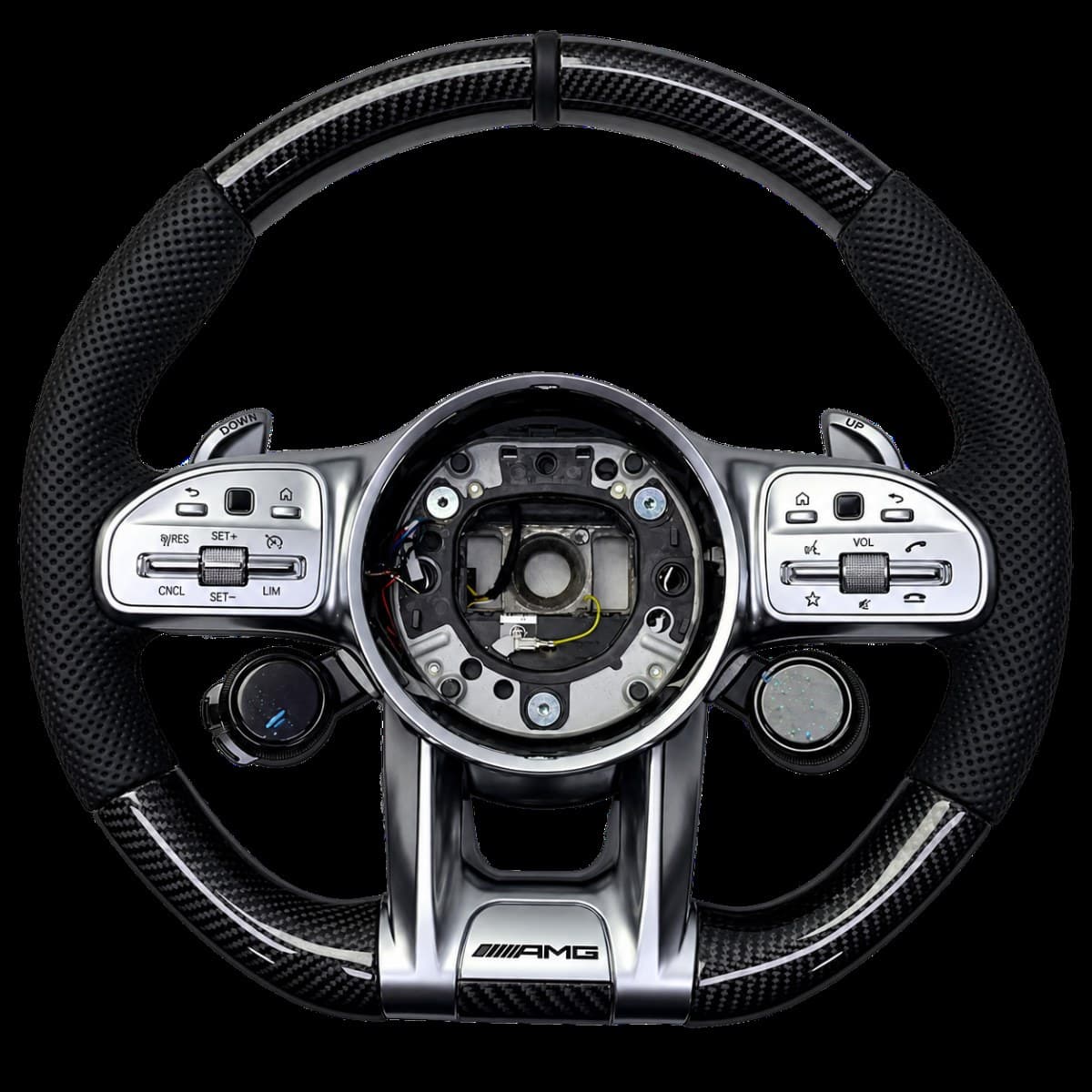
Advertising images rarely reveal how products behave across batches. Ask the supplier about material naming rules, color-card systems, available surface textures, stitching and splicing techniques, key cosmetic acceptance criteria, and the differences allowed between mass production and the approved sample. Where possible, keep countersigned samples or traceable physical standards.
For example, the same brown can differ clearly across leather surfaces, lighting and shooting conditions; purchasing contracts should use internal color code plus sample approval, rather than just the word “coffee.”
3. Verify safety-related parts separately
Steering wheels may involve airbags, electronic control, mechanical connections and related regulations. For compatibility and safety claims, purchasers should require specific vehicle ranges, test basis, installation requirements and exclusion conditions. “Fits a certain brand” must not be interpreted as “fits all model years and configurations.” When selling into multiple countries, also verify the laws, certifications and product-liability requirements of each target market.
Plan an OEM/ODM partnership for your shop
Learn the TUTULE cooperation flow and sample-approval process, then inquire with target models, volumes and functional needs.
4. Split MOQ, pricing and lead time into separate discussions
Quotes should at least separate the main product, optional processes, packaging, freight, taxes and other one-time fees where applicable. Sample unit prices and volume unit prices are not always the same; lead times can also be affected by material stock, processes and quantities. Do not put unverified “uniform MOQs” or “fixed production days” into website promises.
5. Build a confirmation checklist for long-term cooperation
| Purchasing stage | Questions to confirm |
|---|---|
| Design | Are there records of artwork, prototyping and change approval? |
| Materials | How are texture, color and wrap materials recorded? |
| Fitment | How are vehicle year, OEM functions and installation conditions verified? |
| Quality | Are there explainable acceptance standards and inspection records? |
| Packaging | Exact requirements for transit protection and branded packaging? |
| Commercial | MOQ, payment milestones, lead time and shipping responsibility? |
| After-sales | How are non-conformity, transit damage and quality disputes handled? |
6. How to send an efficient first inquiry
We recommend this format:
We are a [tuning shop / distributor / brand] located in [country/region], planning to purchase [product type] for target vehicles [models and years], with an initial estimated quantity [range]. We would like [materials, colors, textures] and need to retain [OEM functions]. Please advise feasible options, sampling arrangements, MOQ, price composition, estimated lead time and shipping options.
Attach product reference photos if you have them; for other brands’ logos, patterns or packaging, confirm that you hold lawful usage rights.
7. How can TUTULE join the discussion?
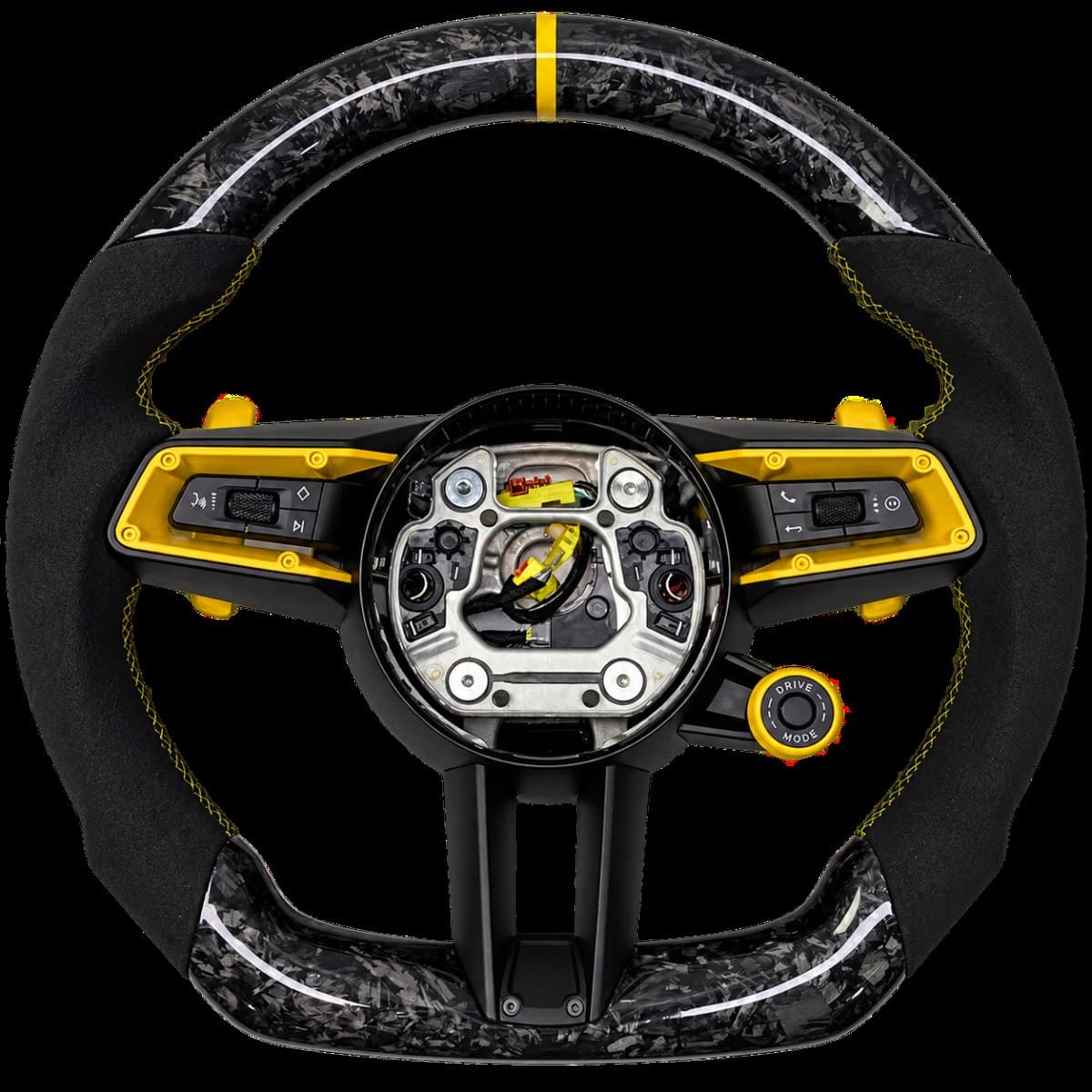
The TUTULE website presents different steering-wheel appearances, material combinations and our OEM/ODM service positioning. The executable vehicle scope, processes, prices, sample policies and delivery commitments should still follow order documents confirmed by both parties. Compared with overstated claims like “fits every vehicle” or “zero problems, 100%,” a transparent confirmation process serves long-term cooperation better.
FAQ
Can I inquire with a small quantity? You are welcome to discuss your needs first; whether it is accepted and on what terms depends on the actual product and order conditions.
Can own-brand packaging be produced? Design, quantity, process and logo authorization need confirmation; do not assume every packaging form is available from a brochure.
How can rework risk be reduced? Defining materials, samples, vehicle fitment and change-approval checkpoints clearly is a very effective approach.
Next step: Submit your purchasing needs through the TUTULE contact page, or review the OEM/ODM cooperation process first; design feasibility is discussed before samples and commercial terms are arranged.